
What Does a Standard Home Inspection Actually Cover in Florida?
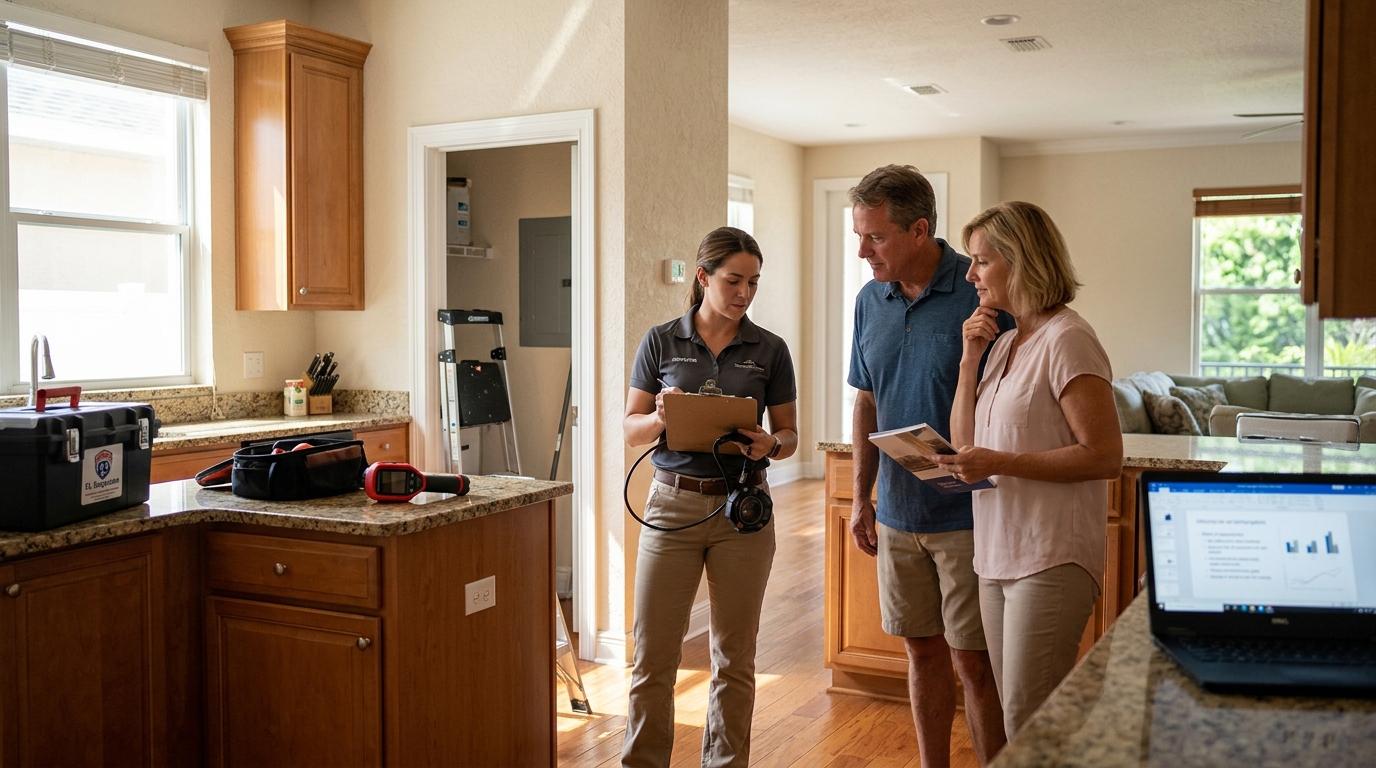
A standard home inspection in Florida covers the visible, accessible components of a residential property, including the roof, foundation, plumbing, electrical, HVAC, and structural elements. It does not cover hidden defects, environmental hazards, or specialized systems like septic tanks or pools unless specifically requested. Buyers should understand that this visual assessment is a snapshot of the home's current condition, not a guarantee of future performance. Carolyn Yates, a Sarasota real estate agent, emphasizes that understanding this scope helps buyers make informed decisions and negotiate effectively.
The Core Components of a Florida Home Inspection
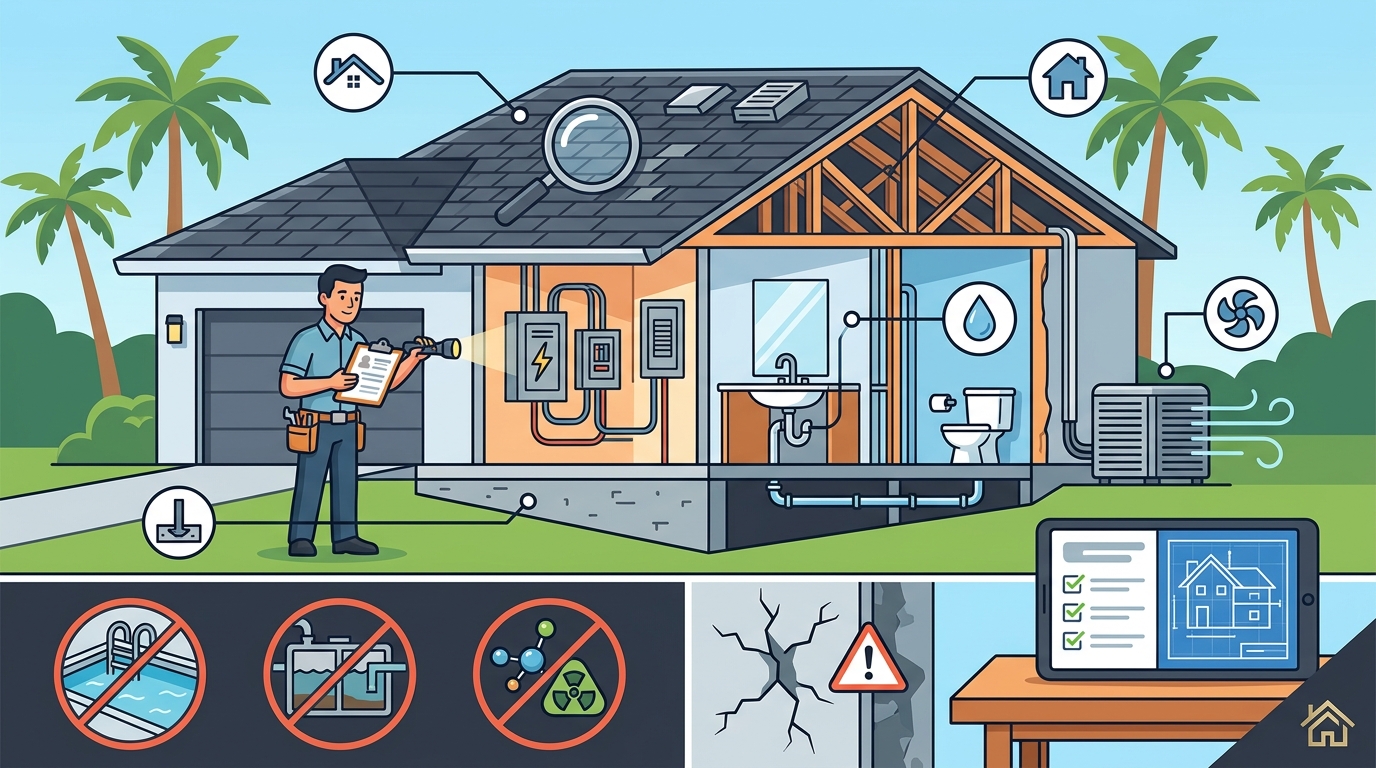
Florida home inspections are governed by state standards that define what inspectors must examine. The primary focus is on major systems that affect the safety and habitability of the home. Inspectors are required to evaluate the roof, including shingles, flashing, and gutters, as well as the foundation and structural components. This ensures that the home can withstand local weather conditions and remains structurally sound. For example, an inspector will check for signs of water intrusion in the roof deck, which is a common issue in coastal areas like Sarasota.
Structural and Foundation Elements
The foundation is a critical part of any inspection, especially in Florida where soil conditions can vary. Inspectors look for cracks, settling, or moisture issues that could indicate structural problems. In newer constructions, they may also examine the framing and load-bearing walls. Understanding these elements helps buyers assess the long-term stability of the property. Carolyn Yates often advises clients to pay close attention to foundation reports, as repairs can be costly and time-consuming.
Systems and Mechanical Components
Electrical and Plumbing Safety
Safety is a top priority in these evaluations. Inspectors identify potential hazards like exposed wiring or corroded pipes. They also check for the presence of smoke detectors and carbon monoxide detectors. These checks are not just about functionality but about ensuring the home meets basic safety standards. Buyers should review the report for any red flags in these areas, as they may require immediate attention after closing.
What Is Not Included in a Standard Inspection
It is crucial to understand the limitations of a standard home inspection. It does not cover hidden defects, such as mold behind walls or termite damage inside cabinets. Environmental hazards like radon, lead paint, or asbestos are also excluded unless a separate specialized inspection is ordered. Additionally, items like pools, spas, septic systems, and irrigation systems are not part of the standard scope. For instance, a septic tank inspection requires a different license and protocol, so buyers in rural areas should request this separately. Carolyn Yates reminds clients that these exclusions are why additional inspections are often recommended for older or unique properties.
Specialized Inspections to Consider
Buyers should consider adding specialized inspections based on the home's age and features. A roof inspection by a licensed roofer can provide a more detailed assessment than a standard visual check. Similarly, a mold inspection can identify hidden moisture issues that a general inspector might miss. These additional costs are often worth the peace of mind, especially for homes over 20 years old. Understanding these gaps helps buyers budget appropriately and avoid surprises after purchase.
The Role of the Inspector and Report
The inspector's role is to provide an objective, unbiased assessment of the home's condition. They are not required to recommend repairs or provide cost estimates, though many do. The final report is a detailed document that lists each component inspected, its condition, and any observed deficiencies. This report becomes a key tool in negotiations with the seller. For example, if the report notes a failing water heater, the buyer can request a credit or repair before closing. Carolyn Yates uses these reports to guide her clients through the negotiation process, ensuring they are not overpaying for a home with significant issues.
How to Read the Inspection Report
Reading an inspection report can be overwhelming for first-time buyers. Focus on the summary section, which highlights major issues. Then, review the detailed sections for each system. Look for terms like "deficient," "needs repair," or "safety hazard." These indicate problems that require attention. Minor issues, such as a loose cabinet hinge, are less critical but still worth noting. Carolyn Yates recommends walking through the report with a trusted professional to ensure no critical issues are overlooked.
Key Takeaways
- A standard Florida home inspection covers visible, accessible components like the roof, foundation, plumbing, electrical, and HVAC systems.
- Inspectors provide an objective report that lists the condition of each component and any observed deficiencies.
- Buyers should consider additional specialized inspections for older homes or unique features.
- The inspection report is a vital tool for negotiating repairs or credits with the seller.
- Understanding the scope of the inspection helps buyers make informed decisions and avoid post-purchase surprises.
Frequently Asked Questions
Does a home inspection in Florida cover the roof?
Yes, the roof is a core component of a standard home inspection. Inspectors evaluate the shingles, flashing, gutters, and visible structural elements for signs of wear, damage, or water intrusion.
Is the foundation included in a standard inspection?
Yes, the foundation and structural components are always part of a standard inspection. Inspectors look for cracks, settling, and moisture issues that could affect the home's stability.
Does a home inspection check for mold?
No, mold is not covered in a standard home inspection. It is a hidden defect that requires a specialized mold inspection to identify and assess.
Are septic systems inspected in a standard home inspection?
No, septic systems are not part of a standard home inspection. Buyers in areas with septic tanks should request a separate septic inspection to evaluate the system's condition.
How detailed is the home inspection report?
The report is detailed and lists each component inspected, its condition, and any observed deficiencies. It includes a summary of major issues and a section-by-section breakdown of the home's systems.
Can the inspector recommend repairs?
Inspectors are not required to recommend repairs or provide cost estimates, though many do. Their role is to objectively report the condition of the home's components.
What should I do if the inspection reveals major issues?
If major issues are found, you can negotiate with the seller for repairs, a price reduction, or a credit. It is also an option to walk away from the deal if the issues are too significant.
How do I choose a home inspector in Florida?
Choose a licensed inspector with experience in your area. Ask for references and review their sample reports. Carolyn Yates can recommend trusted inspectors in the Sarasota area who provide thorough and timely assessments.
Next Steps for Buyers
Understanding what a standard home inspection covers is the first step in making a confident purchase. Use this knowledge to ask the right questions and request additional inspections if needed. Carolyn Yates is available to guide you through the process, from scheduling the inspection to reviewing the report. To get started, contact Carolyn Yates for personalized advice on your home search in Sarasota, FL. Learn more: Let s Connect Carolyn.