

Florida seller disclosures are legal obligations requiring you to reveal known material defects in your property before closing. Under Florida Statute 475.278, you must provide a written disclosure of the property's condition, including structural, mechanical, and environmental issues. Failing to disclose known problems can lead to legal liability and delayed closings. Carolyn Yates, a Sarasota real estate agent with over 30 years of appraisal experience, helps sellers navigate these requirements to ensure a smooth and compliant sale.
The Legal Framework for Disclosure
Florida operates under a specific statutory framework for residential real estate transactions. The primary law governing this area is Florida Statute 475.278, which mandates that sellers of residential real property provide a written disclosure of the property's condition. This is not a suggestion; it is a legal requirement for most residential sales. The statute defines a "material defect" as a condition that would affect the value of the property and that a reasonable buyer would want to know about.
The disclosure must be provided to the buyer before the buyer enters into a contract to purchase the property. This timing is critical because it allows the buyer to make an informed decision. If a seller fails to provide this disclosure, the buyer may have legal recourse, including the right to rescind the contract or seek damages. Understanding this legal baseline is the first step in preparing your home for the market.
Defining Material Defects
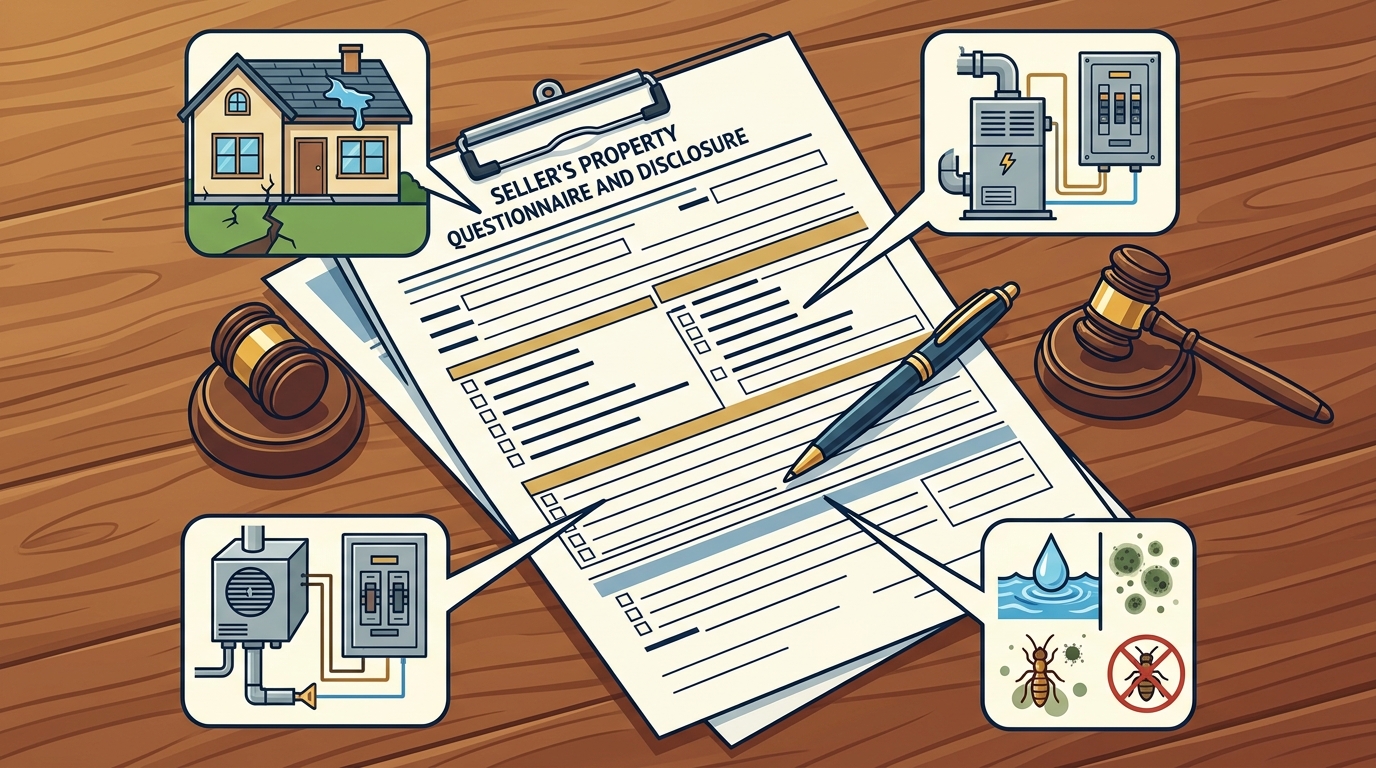
A material defect is a condition that affects the value of the property and is known to the seller. This definition is central to Florida's disclosure laws. Examples of material defects include structural issues, such as foundation problems or roof leaks. It also includes mechanical failures, like a non-functional HVAC system or plumbing issues. Environmental hazards, such as mold, asbestos, or radon, are also considered material defects if known to the seller.
It is important to distinguish between material defects and normal wear and tear. Normal wear and tear, such as minor scratches on hardwood floors or faded paint, is generally not considered a material defect. However, if the wear and tear is the result of a defect, such as water damage causing peeling paint, it must be disclosed. Carolyn Yates advises sellers to err on the side of caution and disclose any condition that could reasonably affect the property's value.
Exemptions and Special Cases
Not all property sales in Florida require a seller's disclosure. The statute provides several exemptions that sellers should be aware of. One common exemption is for sales to government entities. If you are selling your home to a government agency, the disclosure requirement does not apply. Another exemption is for sales of property that is not residential, such as commercial or industrial properties.
Additionally, the disclosure is not required if the seller has no knowledge of any material defects. However, "no knowledge" must be genuine. If a seller is aware of a potential issue but has not investigated it, they may still be required to disclose that they are aware of the issue. For example, if a seller knows that the roof is old but has not had it inspected, they should disclose the age of the roof and any known issues. This transparency helps build trust with buyers and reduces the risk of post-closing disputes.
Consequences of Non-Disclosure
Failing to disclose known material defects can have serious legal and financial consequences for sellers. If a buyer discovers a material defect after closing that the seller knew about but did not disclose, the buyer may file a lawsuit for fraud or misrepresentation. This can result in the seller being liable for the cost of repairs, legal fees, and potentially other damages. In some cases, the buyer may be able to rescind the contract and recover their down payment and closing costs.
Even if the seller did not intend to deceive the buyer, negligence in failing to disclose a known defect can still lead to liability. Florida courts have held that sellers have a duty to disclose known material defects, and failure to do so can be considered negligent. To protect yourself, it is essential to document all known issues and provide a thorough and honest disclosure. Carolyn Yates works with sellers to review their property's condition and ensure that all necessary disclosures are made accurately and completely.
Practical Steps for Sellers
Preparing for the disclosure process involves several practical steps that sellers should take before listing their home. First, conduct a thorough inspection of your property. This includes checking the roof, foundation, plumbing, electrical systems, and HVAC. If you find any issues, document them and consider having them repaired or professionally assessed. Second, gather any existing documentation, such as inspection reports, repair invoices, and warranties. These documents can support your disclosures and provide evidence of your good faith.
Third, consult with a real estate professional who understands Florida's disclosure laws. Carolyn Yates, with her background in appraisal and real estate, can help you identify potential material defects and guide you through the disclosure process. She can also help you prepare the written disclosure form, which is a standard part of the Florida real estate transaction. By taking these steps, you can ensure that your home is ready for the market and that you are in compliance with state laws.
Key Takeaways
- Florida Statute 475.278 requires sellers to disclose known material defects in residential properties.
- A material defect is a condition that affects the property's value and is known to the seller.
- Normal wear and tear is generally not a material defect, but defects causing wear must be disclosed.
- Exemptions exist for sales to government entities and non-residential properties.
- Failure to disclose known defects can lead to legal liability and financial losses.
- Conducting a thorough inspection and documenting known issues is essential for compliance.
- Working with an experienced real estate agent can help ensure accurate and complete disclosures.
Frequently Asked Questions
What is a material defect in Florida real estate?
A material defect is a condition that affects the value of the property and is known to the seller. This includes structural, mechanical, and environmental issues that a reasonable buyer would want to know about.
Do I have to disclose every small issue with my home?
No, you are not required to disclose normal wear and tear. However, you must disclose any condition that could reasonably affect the property's value, such as a leaky roof or foundation cracks.
What happens if I fail to disclose a material defect?
If you fail to disclose a known material defect, you may be liable for the cost of repairs, legal fees, and other damages. In some cases, the buyer may be able to rescind the contract.
Are there any exemptions to the disclosure requirement?
Yes, the disclosure requirement does not apply to sales to government entities or non-residential properties. It also does not apply if the seller has no knowledge of any material defects.
How can I prepare for the disclosure process?
Conduct a thorough inspection of your property, document any known issues, and gather existing documentation such as inspection reports and repair invoices. Consulting with a real estate professional can also help ensure compliance.
Who can help me with Florida seller disclosures?
Carolyn Yates, a Sarasota real estate agent with over 30 years of appraisal experience, can help you navigate the disclosure process and ensure that your home is ready for the market.
Next Steps for Florida Sellers
Understanding Florida seller disclosures is essential for a successful and compliant home sale. By knowing your legal obligations, identifying material defects, and preparing thoroughly, you can protect yourself and build trust with buyers. Carolyn Yates offers expert guidance to help you navigate this process with confidence. To get started, contact Carolyn Yates for a consultation on your specific property and disclosure needs.