Common Seller Closing Cost Mistakes in Sarasota and How to Avoid Them
Selling a home in Sarasota, Florida, involves navigating a complex web of fees, taxes, and regulatory requirements that can significantly impact your net proceeds. According to recent market data, sellers in high-demand coastal markets often underestimate closing costs by 10 to 15 percent, leading to unexpected financial shortfalls at the settlement table. This article outlines the most frequent errors Sarasota sellers make regarding closing costs and provides a clear, data-driven strategy to protect your equity.
Understanding Sarasota Closing Cost Components
Before listing your property, it is essential to define what constitutes a closing cost. Closing costs are the fees and expenses paid by the buyer or seller at the closing of a real estate transaction. In Sarasota, these costs are influenced by local county regulations, county recorder fees, and the specific terms of your purchase agreement.
Many sellers assume that the buyer pays all closing costs. While this is sometimes negotiated, standard practice in Florida often involves a split of certain fees. For instance, the seller typically pays for the owner's title insurance policy, while the buyer pays for the lender's title insurance. Understanding this division is critical for accurate net sheet calculations.
To get a precise estimate of your financial obligations, you can utilize the Home Valuation tool available on our site. This resource provides a baseline for your property's worth, which serves as the foundation for calculating percentage-based fees like transfer taxes.
Title Insurance and Ownership Disputes
One of the most costly mistakes sellers make is failing to address title issues before listing. In Florida, the seller is responsible for paying the owner's title insurance premium. If a title defect is discovered late in the process, the cost to clear it can delay closing and incur additional legal fees.
Common title issues in Sarasota include unresolved liens, easement disputes, or errors in public records. For example, if a previous owner failed to record a property line adjustment, the current title search may reveal a discrepancy. Resolving this requires a quiet title action or a corrective deed, both of which are expensive and time-consuming.
To avoid this, ensure your title is clean before marketing your home. Our team at Carolyn Yates Real Estate coordinates closely with title companies to identify potential issues early. We recommend conducting a preliminary title search during the pre-listing phase to mitigate risks.
Tax Prorations and Special Assessments
Sarasota County property taxes are assessed annually and paid in arrears. A common error is miscalculating the proration of these taxes at closing. The seller must pay the portion of the tax year they owned the property, while the buyer assumes the remainder.
However, the situation becomes more complex with special assessments. If your property is part of a community with special tax districts for infrastructure, seawalls, or drainage, these assessments may be levied as lump sums or annual charges. Sellers often overlook these until the closing statement arrives.
According to Florida Statute 197.362, special assessments are a lien on the property and must be addressed during the sale. If the seller fails to pay the outstanding balance, the buyer may inherit the debt or demand a credit at closing. Always review your latest tax bill and any pending special assessment notices with your real estate agent.
For a deeper understanding of how local regulations impact your sale, read our blog post on Sarasota Market Insights.
HOA Fees and Transfer Taxes
Many Sarasota neighborhoods are governed by Homeowners Associations (HOAs). Sellers frequently forget to account for HOA transfer fees, capital contribution fees, and unearned dues. These fees can range from a few hundred to several thousand dollars depending on the community's size and rules.
Additionally, Florida imposes a documentary stamp tax on the deed transfer. In Sarasota County, this tax is typically split between the buyer and seller, but the contract may specify that the seller pays the full amount. Failing to budget for this tax can result in a significant shortfall.
Another hidden cost is the HOA estoppel certificate fee. This document verifies that the seller is current on all dues and assessments. While the buyer often pays for the estoppel, some associations charge the seller. Always request an estoppel letter early in the process to avoid delays.
If you are selling a property in a gated community, review the Seller Resources section for specific HOA guidelines and fee structures.
Negotiation and Contract Pitfalls
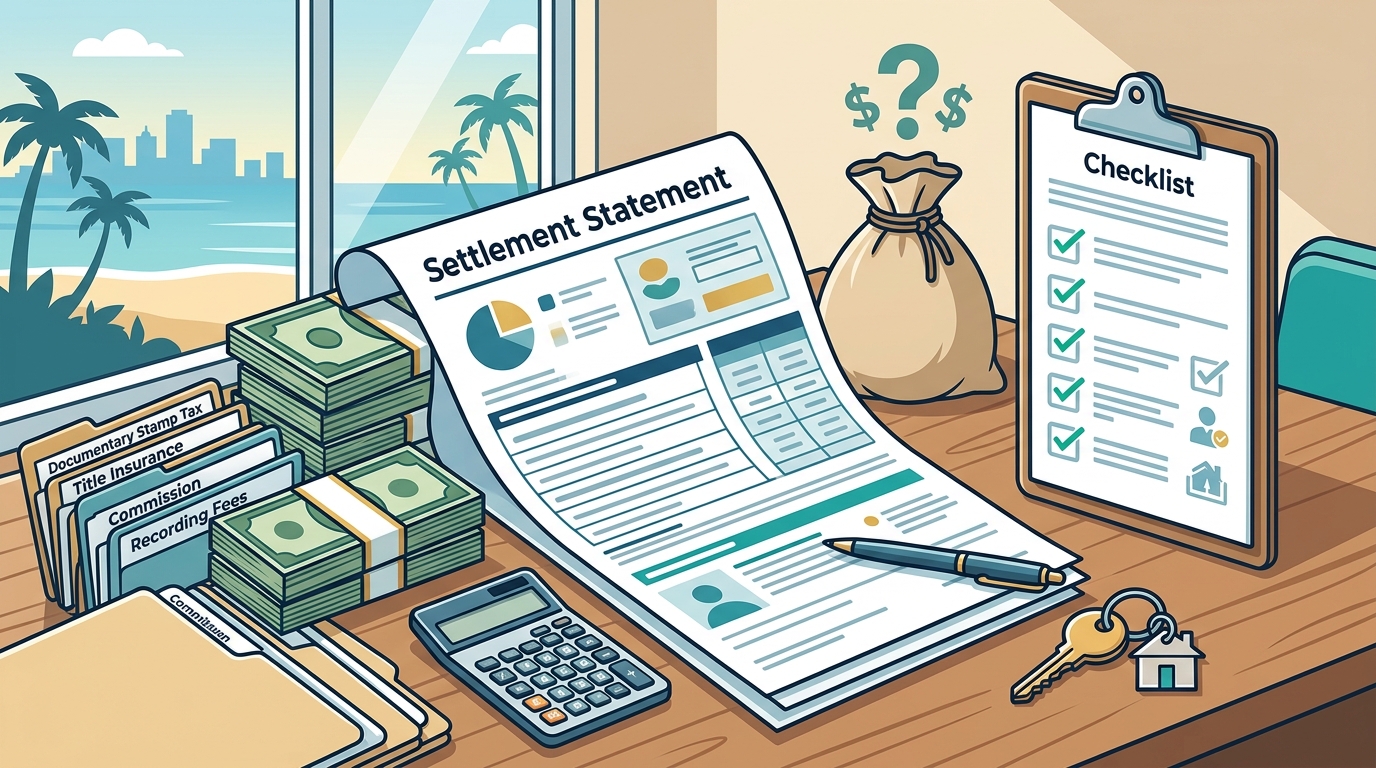
The final major mistake involves poor negotiation of closing cost responsibilities. Sellers may agree to pay for repairs or credits without fully understanding the impact on their net proceeds. For example, if a buyer requests a $5,000 credit for roof repairs, this amount is deducted from the seller's proceeds at closing.
To protect your interests, always request a detailed closing cost estimate from your agent before accepting an offer. Our Pre-Listing Guide provides a comprehensive checklist for evaluating offers and understanding the financial implications of each term.
Additionally, be aware of the seller's concession limits. If the buyer is using a conventional loan, the lender may restrict the amount of closing costs the seller can pay. Exceeding these limits can jeopardize the loan approval.
Key Takeaways
- Understand Fee Splitting: In Sarasota, sellers typically pay for the owner's title insurance and a portion of the documentary stamp tax.
- Check Title Early: Resolve liens and easement disputes before listing to avoid closing delays and additional legal fees.
- Review Special Assessments: Identify any pending special tax districts or HOA capital contributions that must be paid at closing.
- Calculate HOA Costs: Budget for HOA transfer fees, estoppel certificate costs, and unearned dues.
- Negotiate Wisely: Limit seller concessions to protect your net proceeds and ensure loan approval.
- Use Professional Help: Work with an agent who provides precision pricing and expert positioning to maximize your sale price.
- Verify Tax Prorations: Ensure property taxes are prorated correctly based on the closing date and current tax rates.
Frequently Asked Questions
Who pays for title insurance in Sarasota?
In Sarasota, the seller typically pays for the owner's title insurance policy, while the buyer pays for the lender's title insurance. This is a standard practice in Florida real estate transactions.
What are special assessments in Sarasota?
Special assessments are additional taxes levied by local governments or HOAs for specific projects like seawalls, drainage, or infrastructure. Sellers are responsible for paying any outstanding balances at closing.
How much do HOA transfer fees cost?
HOA transfer fees vary by community but typically range from $150 to $500. Some associations also charge a capital contribution fee, which can be several thousand dollars.
Can I negotiate who pays closing costs?
Yes, closing cost responsibilities are negotiable. However, be aware of lender restrictions on seller concessions, which may limit the amount you can pay toward the buyer's costs.
What is a proration in real estate?
A proration is the division of expenses like property taxes and HOA dues between the buyer and seller based on the closing date. Sellers pay for the period they owned the property, and buyers pay for the remainder.
How can I avoid closing cost surprises?
Work with an experienced agent who provides a detailed net sheet. Review all fees, including title, HOA, and tax prorations, before accepting an offer to ensure you understand your final proceeds.
What is the documentary stamp tax?
The documentary stamp tax is a state tax on the deed transfer. In Sarasota, it is typically split between the buyer and seller, but the contract may specify that the seller pays the full amount.
Ready to Sell Your Sarasota Home?
Avoiding closing cost mistakes requires precision, expertise, and a deep understanding of the local market. Carolyn Yates brings a unique background as a former appraiser and licensed real estate professional to help you maximize your net proceeds. With a track record of selling homes for 99% of list price and an average of just 7 days on the market, Carolyn ensures a seamless and profitable selling experience.
Don't leave your financial future to chance. Contact Carolyn Yates today to schedule a consultation and discover how her strategic approach can help you achieve your real estate goals. Visit our Contact Page to get started.