
Florida real estate transactions are notoriously complex, and the home inspection phase is where many sellers lose significant profit. According to recent industry data, nearly 40% of home sales fall through due to inspection issues that could have been prevented. This statistic highlights the critical importance of preparation. When you sell a home in the Gulf Coast region, buyers are hyper-aware of local risks like humidity, pests, and aging infrastructure. Ignoring these factors during the pre-listing phase can lead to last-minute renegotiations or canceled contracts. By understanding the common pitfalls, you can protect your bottom line and ensure a smoother closing process. (Meet Carolyn Yates Your)
Why Inspections Fail in Florida
Florida homes face unique environmental pressures that standard inspections in other states might not catch. The high water table, intense sun, and tropical climate create a perfect storm for property degradation. Buyers in Sarasota and the surrounding Gulf Coast areas are increasingly educated about these risks. They expect their inspectors to dig deep into the home's history and current condition.
When an inspection reveals major issues, buyers often feel vulnerable. They may use these findings as leverage to lower the price or, in worse cases, walk away from the deal. This is why proactive management of the inspection process is not just a suggestion; it is a necessity for maximizing your sale price. A well-maintained home with a clean inspection report commands more confidence and often sells faster.
The Pre-Listing Inspection Advantage
One of the most effective strategies for avoiding costly mistakes is to conduct a pre-listing inspection. This is a private inspection conducted by you, the seller, before the home hits the market. It allows you to identify and fix issues on your own terms. You can choose your own contractors, get competitive bids, and make repairs without the pressure of a buyer's deadline.
This approach aligns with the precision pricing methodology used by top-performing agents. By addressing issues upfront, you present the home in its best light. This transparency builds trust with potential buyers. They see that you have nothing to hide. This confidence can lead to stronger offers and fewer contingencies. For more insights on preparing your home for sale, explore our Pre-Listing Guide.
Top 5 Costly Mistakes to Avoid
Sellers often make critical errors that undermine their negotiating position. Avoiding these mistakes can save you thousands of dollars. Here are the most common pitfalls and how to sidestep them.
Roof and HVAC: The Big Ticket Items
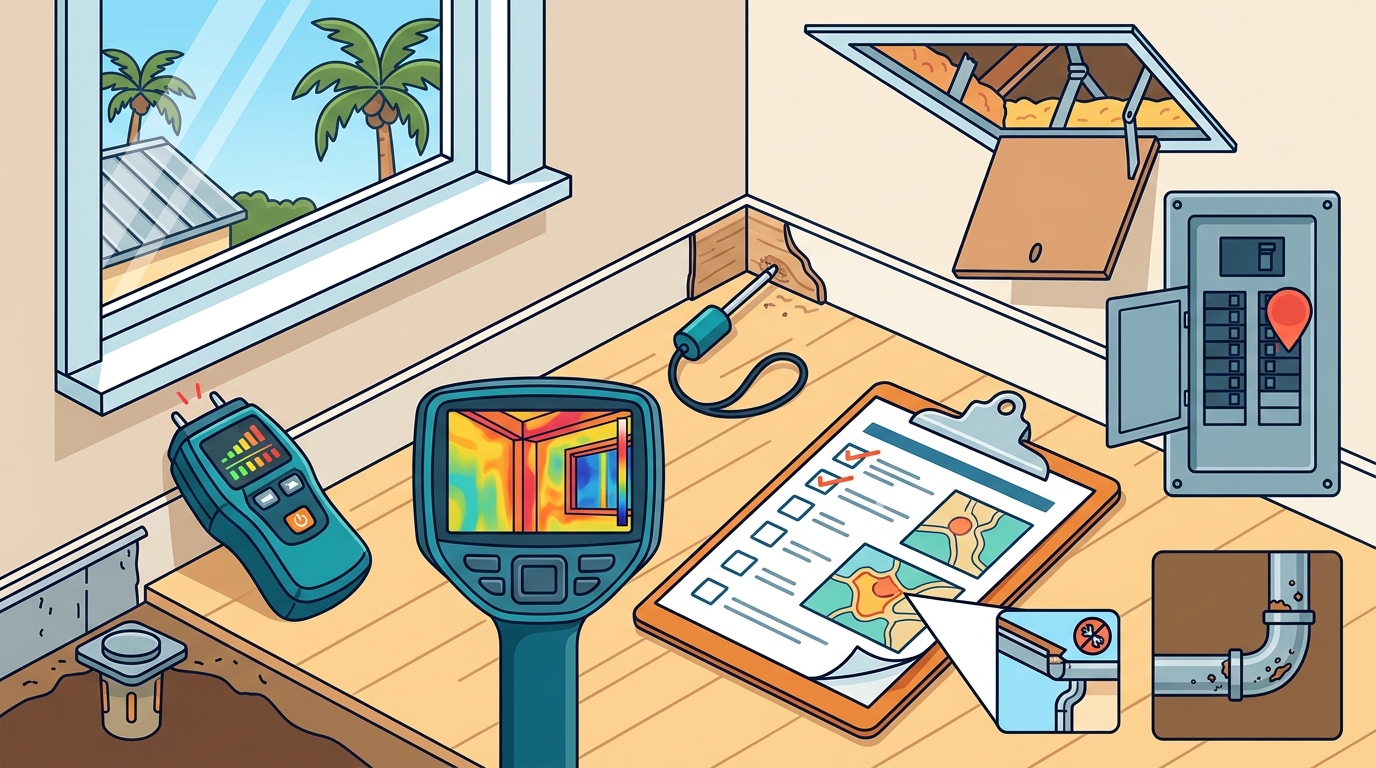
The roof and HVAC system are two of the most expensive components of a home. When they fail, the financial impact is immediate and severe. Buyers are particularly sensitive to the age and condition of these systems.
Understanding Roof Certification
In Florida, a roof certification is often required by buyers and their lenders. This certification confirms that the roof has at least five years of remaining life. If your roof is older, you may need to replace it before listing. Attempting to sell a home with a failing roof can result in buyers demanding a significant credit or walking away entirely. A new roof is a strong selling point. It provides peace of mind and can justify a higher asking price.
HVAC Age and Efficiency
Florida's heat makes the HVAC system non-negotiable. If your unit is over 10-15 years old, it is likely nearing the end of its life. Buyers will expect you to replace it or offer a substantial credit. Regular maintenance records can help, but they do not replace the need for a functional, efficient unit. Consider upgrading to a high-efficiency model to appeal to eco-conscious buyers and reduce their future utility costs.
Water Intrusion and Structural Integrity
Water is the enemy of Florida homes. From plumbing leaks to foundation issues, water damage can be devastating and expensive to repair.
Hidden Plumbing Leaks
Older homes in Sarasota often have aging plumbing. Galvanized pipes can corrode, leading to low water pressure and leaks. Copper pipes can develop pinhole leaks. These issues are not always visible during a casual walkthrough. A professional inspection will use pressure tests and cameras to detect hidden leaks. Fixing these before listing prevents surprises during the buyer's inspection.
Foundation Settlement Signs
Florida's soil composition can lead to foundation settlement. Cracks in walls, uneven floors, and gaps around windows are common signs. While minor settling is normal, significant movement is a red flag. Buyers will hire structural engineers to assess the severity. Addressing foundation issues proactively demonstrates that the home is structurally sound. It also prevents the buyer from using the issue to negotiate a lower price.
Pest and Mold Concerns
The warm, humid climate of the Gulf Coast is ideal for pests and mold. These issues are not just cosmetic; they can indicate deeper problems with the home's envelope.
Termite Damage Risks
Subterranean termites are a major threat in Florida. They can cause extensive structural damage that is not visible to the naked eye. A clear termite clearance letter is often required by lenders. If your home has a history of pest issues, ensure you have documentation of treatments and repairs. This documentation can reassure buyers that the problem has been resolved.
Mold and Humidity Control
Mold thrives in humid environments. Poor ventilation, leaky roofs, and high humidity levels can lead to mold growth. Buyers are increasingly aware of the health risks associated with mold. A professional mold inspection can identify hidden growth. If mold is found, professional remediation is necessary. Addressing this issue before listing shows that you prioritize the health and safety of future occupants.
Negotiation Strategies After Inspection
Even with the best preparation, some issues may arise during the buyer's inspection. How you handle these findings can make or break the deal. Here are some strategies for effective negotiation.
Be Transparent: If you know about an issue, disclose it upfront. This builds trust and reduces the likelihood of the buyer feeling deceived. Offer Credits: Instead of making repairs, offer a closing cost credit. This allows the buyer to choose their own contractor and ensures the work is done to their satisfaction. Stand Your Ground: If the requested repair is minor or cosmetic, politely decline. Explain that the home has been well-maintained and the issue is not a structural concern.
For a deeper dive into the selling process, check out our Sarasota Real Estate Blog for more tips and market updates.
Key Takeaways
- Pre-Listing Inspections Save Money: Identifying and fixing issues before listing prevents last-minute price reductions and contract cancellations.
- Roof Certification is Critical: Ensure your roof has at least five years of remaining life to satisfy buyer and lender requirements.
- HVAC Age Matters: Units over 10-15 years old may need replacement to avoid significant buyer demands.
- Water Damage is a Major Red Flag: Address plumbing leaks and foundation issues proactively to maintain buyer confidence.
- Pest and Mold Clearances are Essential: Provide documentation of pest treatments and mold remediation to reassure buyers.
- Transparency Builds Trust: Disclosing known issues upfront can lead to smoother negotiations and faster closings.
- Professional Staging Helps: Homes staged by professionals sell for 99% of list price and spend less time on the market.
Frequently Asked Questions
What is a pre-listing inspection?
A pre-listing inspection is a private home inspection conducted by the seller before the property is listed for sale. It allows the seller to identify and repair issues proactively.
How long does a roof need to last for Florida buyers?
Most Florida buyers and lenders require a roof certification stating that the roof has at least five years of remaining life. Older roofs may need replacement.
Do I need to fix everything found in the inspection?
No, you do not need to fix everything. You can choose to offer credits, make repairs, or negotiate based on the severity of the issues. However, major structural or safety issues should be addressed.
What is the average time on market for a staged home in Sarasota?
Staged homes in the Sarasota area can sell in as little as 7 days on average, compared to the typical market time for unstaged homes.
How does humidity affect a home inspection?
High humidity can lead to mold growth and wood rot. Inspectors will pay close attention to areas prone to moisture, such as bathrooms, kitchens, and basements.
Can I sell my home as-is?
Yes, you can sell a home as-is, but it may limit your buyer pool and result in lower offers. Most buyers prefer homes that are move-in ready.
What is the MAI designation?
The MAI (Member, Appraisal Institute) designation is a prestigious credential that signifies advanced expertise in real estate appraisal and valuation.
Work With Carolyn Yates
Avoiding costly inspection mistakes requires expertise, preparation, and a strategic approach. Carolyn Yates, a former appraisal firm owner with MAI and AI-GRS designations, brings a unique analytical edge to every listing. She helps sellers maximize their sale price and minimize time on market through precision pricing, professional staging, and expert positioning.
Based at Coldwell Banker Realty's Sarasota Central office, Carolyn serves clients from Parrish to Punta Gorda. Her data-driven approach and hands-on support ensure a seamless experience from listing to closing. If you are ready to sell your home with confidence, contact Carolyn Yates today to schedule your consultation.