
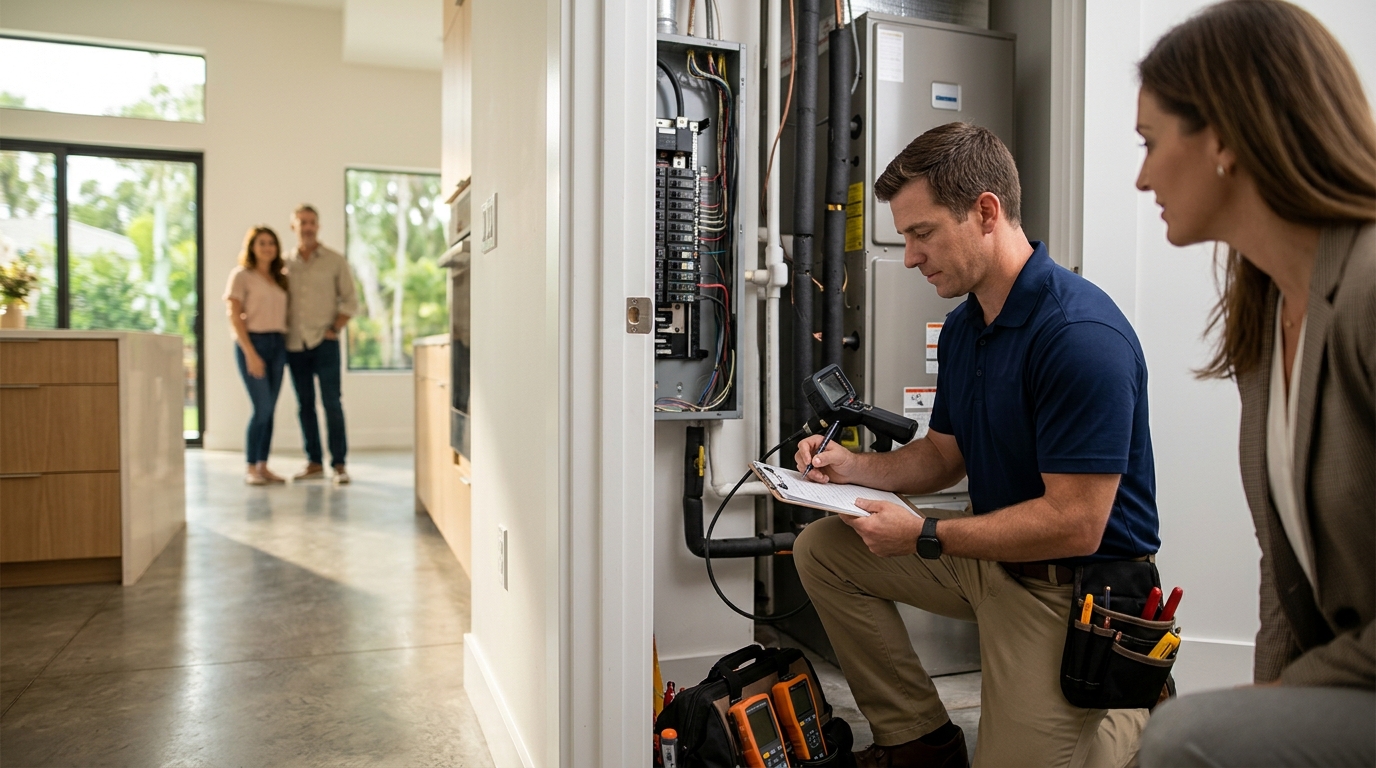
When you are buying or selling a home in the Sarasota area, understanding the scope of a professional inspection is critical for protecting your investment. A home inspection is a non-invasive, visual examination of the accessible components of a residential property. It is not an appraisal, nor is it a code compliance audit, but it is your primary defense against hidden structural or mechanical defects. Carolyn Yates, a real estate agent in Sarasota, FL, emphasizes that knowing what is on the inspector's checklist helps you prepare your home for sale or negotiate repairs with confidence. This guide breaks down the seven main systems and components that every qualified inspector will evaluate during a standard visit.
1. The Roof and Attic
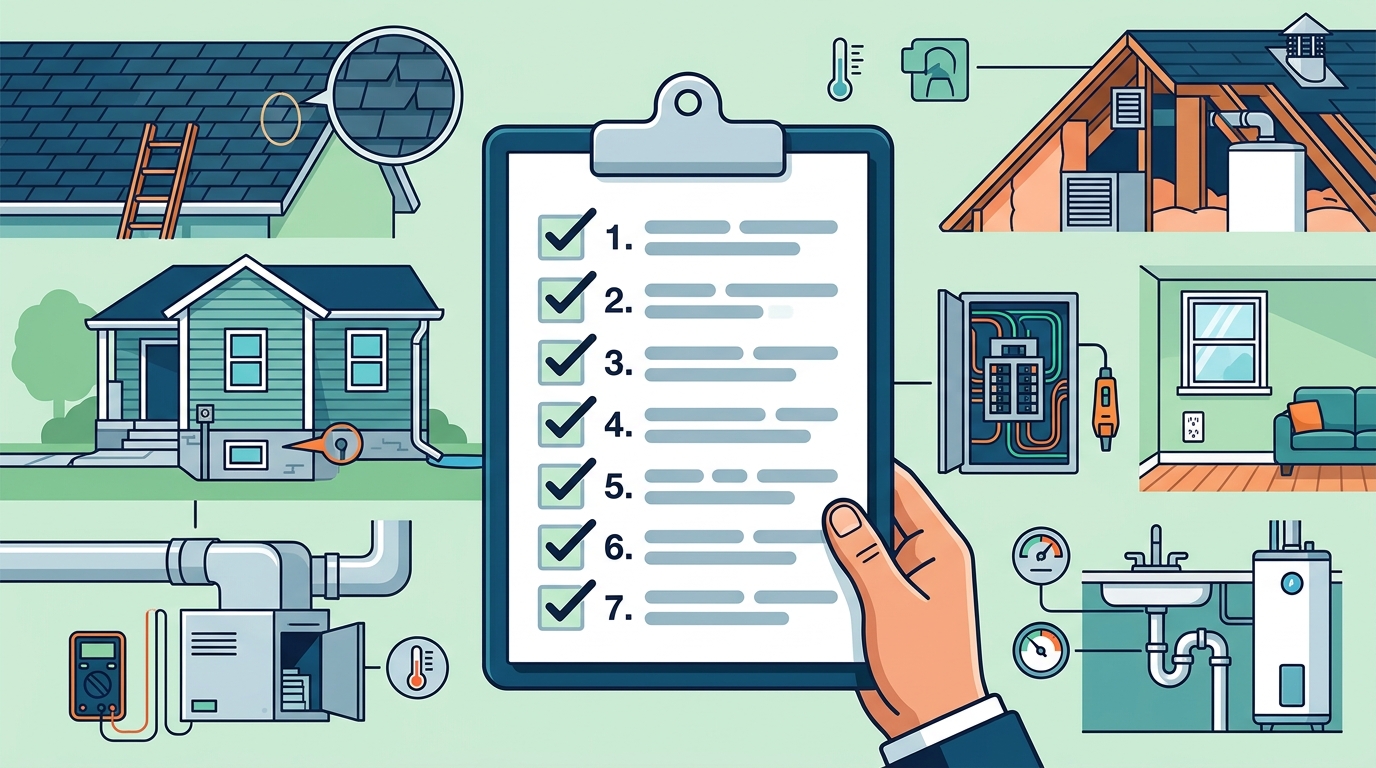
The roof is the first line of defense against water intrusion and structural failure. Inspectors will walk the roof to check the condition of shingles, flashing, and gutters. They will also inspect the attic space to look for signs of leaks, proper ventilation, and the condition of the sheathing. In the humid Florida climate, roof integrity is paramount to preventing mold and wood rot.
2. Foundation and Structural Elements
3. Electrical System
Electrical safety is a top priority to prevent fire hazards and code violations. The inspector will test the main service panel, breakers, and grounding. They will look for outdated wiring, such as knob and tube or aluminum wiring, which may require upgrades. They will also verify that all outlets and switches are functioning correctly and safely.
4. Plumbing System
Plumbing issues are costly to repair and can cause significant water damage if ignored. The inspector will check the water heater, supply lines, and drainage systems for leaks or corrosion. They will test water pressure and check for proper slope in drain lines. They will also inspect visible pipes in the basement, crawlspace, or under sinks for signs of moisture or deterioration.
5. Heating and Cooling Systems
Climate control systems are essential for comfort and energy efficiency in Florida. The inspector will test the operation of the HVAC system, including the thermostat, air handler, and condenser. They will check the condition of the ductwork and look for signs of refrigerant leaks. They will also verify that the system is the appropriate size for the square footage of the home.
6. Interior Components
Interior condition reflects the overall maintenance and care of the home. The inspector will examine walls, ceilings, floors, doors, and windows for damage or wear. They will check for proper operation of all doors and windows, including locks and screens. They will also look for signs of moisture intrusion, such as peeling paint or warped flooring, which can indicate underlying issues.
7. Exterior and Site
The exterior and site conditions impact the home's curb appeal and drainage. The inspector will examine the siding, paint, and masonry for damage or deterioration. They will check the grading and drainage away from the foundation to prevent water pooling. They will also inspect the condition of the driveway, walkways, and any retaining walls or fences.
Choosing the Right Inspector
When selecting a home inspector, look for a certified professional with experience in the local market. In Sarasota and the surrounding Gulf Coast areas, inspectors should be familiar with specific regional issues like termite activity and hurricane damage. Carolyn Yates recommends working with a trusted agent who can guide you through the inspection process and help you interpret the findings.
Frequently Asked Questions
What is a home inspection?
A home inspection is a visual, non-invasive examination of the accessible components of a residential property to identify material defects.
Does a home inspection check for code compliance?
No, a home inspection is not a code compliance audit. It identifies safety and functional issues but does not determine if the home meets current building codes.
Can a home inspection find hidden problems?
Inspectors can identify signs of hidden problems, such as moisture stains or structural cracks, but they cannot see behind walls or under floors without invasive testing.
Who pays for the home inspection?
Typically, the buyer pays for the home inspection, although the cost can be negotiated as part of the purchase agreement.
How long does a home inspection take?
A standard home inspection usually takes three to four hours, depending on the size and age of the property.
What should I do if the inspection finds major issues?
If major issues are found, you can negotiate repairs, a price reduction, or walk away from the deal, depending on the terms of your contract. Learn more: Just a moment.