Common Home Inspection Mistakes Florida Sellers Make and How to Avoid Them
Florida real estate transactions are notoriously complex due to the state's unique environmental challenges. A recent analysis of regional market data indicates that over 40% of home sales in the Gulf Coast region face delays or renegotiations specifically because of inspection findings. This statistic highlights a critical reality: the home inspection is not just a formality. It is the most significant hurdle between a signed contract and a closed deal. For sellers, understanding the common pitfalls that trigger these issues is essential to protecting their net proceeds and maintaining momentum.
The Cost of Skipping Pre-Listing Inspections
The most frequent mistake Florida sellers make is waiting for the buyer's inspector to find problems. This reactive approach often leads to last-minute renegotiations or canceled contracts. A proactive strategy involves hiring your own inspector before listing the property. This allows you to address issues on your own timeline and budget.
By identifying defects early, you can choose to repair them or adjust your pricing strategy accordingly. This transparency builds trust with potential buyers. It also demonstrates that you have nothing to hide. Carolyn Yates utilizes a data-driven approach to pricing, which includes a thorough understanding of how inspection results impact market value. You can see your home's worth by starting with a professional valuation that accounts for these potential variables.
Many sellers believe that minor repairs are not worth the cost. However, the cost of a repair is often far less than the price reduction a buyer will demand after an inspection. For example, fixing a small roof leak might cost a few hundred dollars. A buyer might demand a $5,000 credit if they discover the same leak during their inspection. The choice is clear. Preparation changes everything in a competitive market.
Hiding Disclosure Issues Instead of Fixing Them
Florida law requires sellers to disclose known material defects. Attempting to hide these issues is a dangerous strategy that can lead to legal liability and deal collapse. Common disclosures include past water damage, foundation cracks, or unpermitted renovations. If a buyer's inspector finds these issues, they will likely lose confidence in the transaction.
Transparency is your best asset. Provide all relevant documentation to your listing agent immediately. This allows for accurate marketing and pricing. Carolyn Yates is known for her superior knowledge of the local market and accurate comparable analysis. She ensures that pricing reflects the true condition of the home. You can read more about her approach to precision pricing and expert positioning to understand how transparency drives success.
Buyers are often more willing to overlook minor issues if they are disclosed upfront. They appreciate the honesty and feel more secure in their purchase. Hiding defects creates a narrative of distrust. Once that narrative takes hold, it is difficult to recover. Always err on the side of full disclosure to maintain a smooth transaction.
Neglecting the Roof and HVAC Systems
In Florida, the roof and HVAC systems are critical components that inspectors scrutinize heavily. A roof with less than five years of remaining life is a major red flag for buyers and lenders. Similarly, an HVAC system that is old or poorly maintained can trigger immediate concerns about comfort and energy costs.
Sellers often ignore these systems until they fail. Regular maintenance is essential. If your roof is nearing the end of its lifespan, consider replacing it before listing. This can be a powerful marketing point. It assures buyers that they will not face immediate capital expenditures. For HVAC systems, ensure they are serviced and cleaned prior to the listing. Provide records of recent maintenance to demonstrate care.
According to industry data, homes with newer roofs and HVAC systems sell faster and for higher prices. This is particularly true in coastal areas where salt air accelerates wear and tear. By investing in these systems upfront, you protect your bottom line. You can also explore professional staging services to highlight the condition of your home's major systems during showings.
Overlooking Pool and Spa Maintenance
Many Florida homes feature pools and spas. These amenities are desirable but also complex systems that require regular upkeep. Sellers often overlook the condition of the pool equipment, decking, and fencing. Inspectors will check for cracks, leaks, and proper safety compliance.
A neglected pool can be a deal-breaker. Buyers may fear the cost of repairs or the hassle of maintenance. Ensure your pool is clean and balanced before inspections. Repair any cracked tiles or damaged equipment. Verify that your fencing meets current safety codes. Non-compliant fencing is a common issue that can delay closing.
Highlighting a well-maintained pool can be a significant selling point. Provide service records and warranty information to potential buyers. This demonstrates that the amenity is in good working order. You can also use Carolyn's marketing brochure to showcase the pool and outdoor living spaces effectively. Proper presentation can turn a potential negative into a major positive.
Failing to Address Mold and Humidity
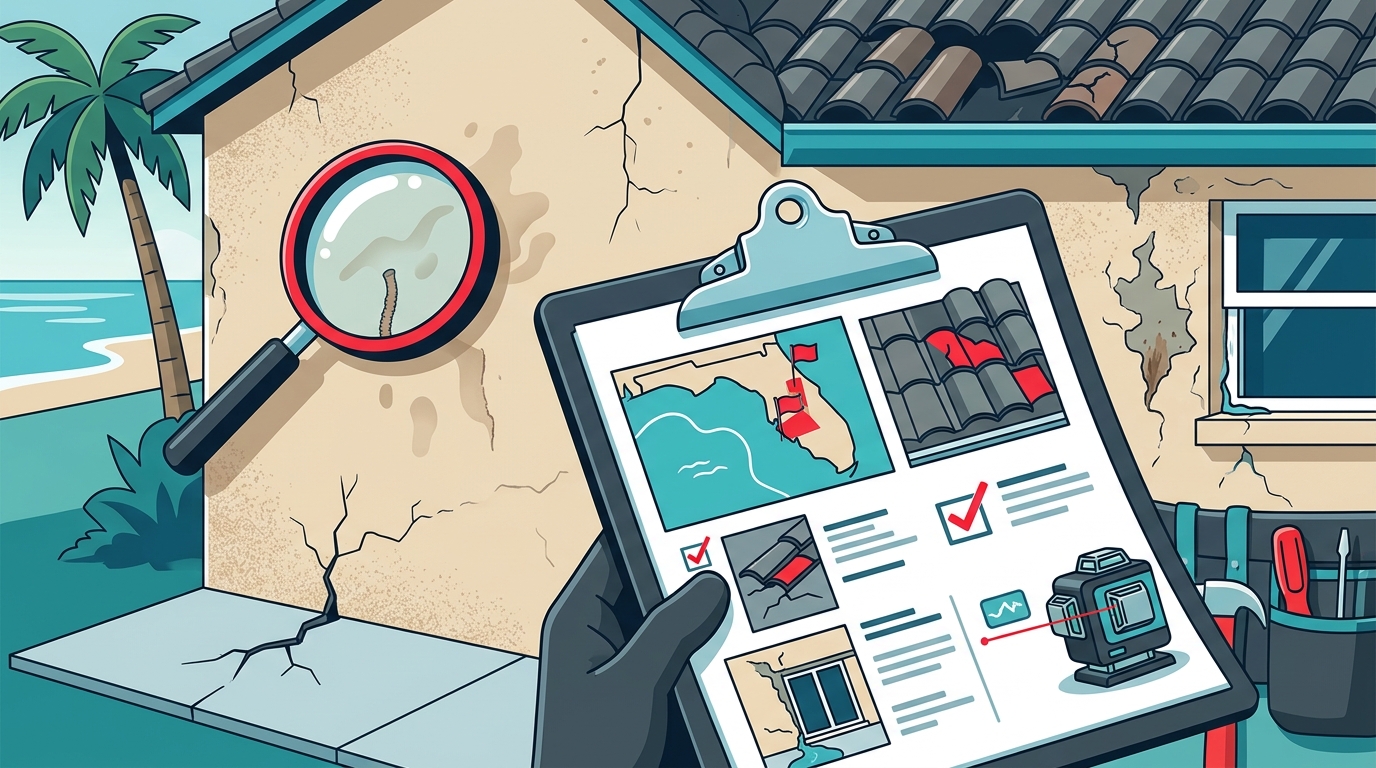
Florida's humid climate creates a perfect environment for mold and mildew growth. Sellers often fail to address visible mold or musty odors. Inspectors are trained to look for signs of moisture intrusion. If they find mold, they will recommend further testing by a specialist.
This additional testing adds cost and time to the transaction. It can also scare off buyers who are sensitive to health concerns. Address any visible mold immediately. Fix the underlying moisture source, such as a leaky pipe or poor ventilation. Ensure your home is well-ventilated during showings. Open windows and use fans to circulate air.
Prevention is key. Regularly check your attic, crawl spaces, and under-sink areas for leaks. Promptly repair any water damage. By maintaining a dry and clean home, you reduce the risk of mold-related issues. This proactive approach aligns with Carolyn Yates' commitment to concierge services that ensure every detail is handled with care. A healthy home is a marketable home.
Comparing Inspection Approaches for Sellers
Understanding the different types of inspections can help you prepare better. Below is a comparison of common inspection focuses and how sellers can address them.
| Inspection Focus | Common Seller Mistake | Recommended Action |
|---|---|---|
| Roof Condition | Ignoring minor leaks or aging shingles | Replace or repair before listing |
| Foundation | Hiding cracks or settling signs | Disclose and get structural engineer opinion |
| Electrical | Leaving outdated panels or wiring | Upgrade to modern safety standards |
| Plumbing | Overlooking slow drains or leaks | Hydro-jet pipes and fix visible leaks |
| Pool Equipment | Neglecting pump and filter maintenance | Service equipment and verify safety codes |
This table summarizes the critical areas where sellers often falter. By addressing these points proactively, you can minimize surprises during the inspection process. Carolyn Yates helps Gulf Coast sellers maximize price and minimize time on market through precision pricing and expert positioning. Her clients benefit from a clear, data-driven approach paired with hands-on support. You can read more about market trends in her blog to stay informed.
Key Takeaways
- Over 40% of Florida home sales face delays due to inspection findings, making preparation critical.
- Skipping pre-listing inspections often leads to last-minute renegotiations or canceled contracts.
- Hiding disclosure issues can lead to legal liability and loss of buyer trust.
- Roofs with less than five years of remaining life are a major red flag for buyers and lenders.
- Pool and spa maintenance must include safety code compliance to avoid closing delays.
- Florida's humidity requires proactive mold prevention and moisture control.
- Carolyn Yates places in the top 7% of Coldwell Banker agents worldwide due to her strategic approach.
Frequently Asked Questions
What is the most common home inspection failure in Florida?
The most common failure involves roof condition and water intrusion. Florida's weather accelerates wear, making roofs a frequent point of contention. Sellers should ensure their roof has at least five years of remaining life.
Should I fix issues found during my pre-listing inspection?
It depends on the cost and the market. For major structural or safety issues, repair them. For minor cosmetic issues, consider pricing them in. Carolyn Yates provides accurate comparable analysis to help you decide. See her about page for more on her methodology.
How does staging affect the home inspection?
Staging itself does not change the inspection results. However, it helps buyers visualize the home's potential. This can make them more willing to overlook minor flaws. Carolyn offers complimentary staging to enhance your home's appeal.
What if the buyer's inspector finds mold?
If mold is found, a specialist will be recommended. This adds cost and time. Address any visible mold before listing. Ensure proper ventilation and fix moisture sources to prevent this issue.
Can I waive the home inspection?
Waiving inspections is rare and risky for buyers. It is not recommended for sellers to ask for this. It can limit your buyer pool. Instead, provide a thorough pre-listing inspection report to build confidence.
How long does a home inspection take?
A typical home inspection takes 2 to 4 hours, depending on the size and condition of the property. Pool and spa inspections may add additional time. Being present allows you to ask questions and understand the findings.
What is the cost of a home inspection in Florida?
Costs vary by property size and location. Generally, expect to pay between $300 and $500 for a standard inspection. Additional services like mold or termite inspections cost extra. Investing in a pre-listing inspection is often worth the peace of mind.
Work With Carolyn Yates
Avoiding common inspection mistakes requires preparation, transparency, and expert guidance. Carolyn Yates helps Gulf Coast sellers maximize their sale price and minimize time on market. Her formula is simple: precision pricing, professional staging, and expert positioning. She serves clients from Parrish to Punta Gorda with care and professionalism.
Ready to sell your home with confidence? Contact Carolyn Yates today to discuss your strategy. Visit her contact page to schedule a consultation. You can also see your home's worth with a complimentary valuation. Let her expertise guide you to a successful closing.