What to Expect During a Home Inspection in Florida
A home inspection in Florida is a critical milestone in the real estate transaction, serving as the primary defense against hidden structural defects and costly repairs. According to recent industry data, approximately 95% of home buyers choose to hire a professional inspector, making this step a non-negotiable part of securing your investment. In the Sunshine State, the inspection process is uniquely influenced by high humidity, frequent rainfall, and specific building codes that differ significantly from other regions. Understanding what happens during this evaluation allows you to approach the process with confidence rather than anxiety. (Divorce Guide Carolyn Yates)
Why the Florida Inspection is Unique
Florida real estate transactions carry specific risks that are not present in other parts of the country. The state's climate creates a distinct set of challenges for residential structures. A standard home inspection here must account for environmental factors that accelerate wear and tear on building materials. This is why a generic inspection report often falls short in the Gulf Coast region.
For sellers, understanding these nuances is vital. Carolyn Yates helps Gulf Coast sellers maximize their sale price and minimize time on market through precision pricing and expert positioning. By anticipating inspection issues before they arise, you can present a home that feels move-in ready to buyers. This proactive approach is part of the comprehensive staging and preparation strategy that defines her service model.
Buyers, on the other hand, need an inspector who understands local building codes and historical construction methods. Whether you are looking at a mid-century condo in Sarasota or a new construction in Lakewood Ranch, the inspection must be tailored to the specific property type. This level of detail ensures that no critical defect is overlooked during the evaluation.
Who Should Attend the Inspection
Attendance at the home inspection is highly recommended for all parties involved in the transaction. The inspector will spend several hours examining the property, and having a knowledgeable observer can provide immediate context for their findings.
For Buyers
Buyers should attend the final two hours of the inspection. This window allows the inspector to complete the most critical systems checks while you are present to ask questions. It is an educational opportunity to learn about the home's maintenance needs, from HVAC filter changes to gutter cleaning. Many buyers find that this face-to-face interaction builds trust and clarity regarding the property's condition.
For Sellers
Sellers often wonder if they should be present. Generally, it is better for sellers to leave the property during the inspection. This allows the inspector and buyer to move freely without feeling observed. However, if the seller is present to provide access to attics or crawl spaces, they should remain unobtrusive. Carolyn Yates provides a detailed Pre-Listing Guide to help sellers prepare their homes for this phase, ensuring that access points are clear and the home is staged for optimal viewing.
Key Focus Areas in Florida Homes
Florida inspections focus heavily on moisture intrusion and structural integrity due to the state's high water table and humidity levels. Inspectors look for specific signs of damage that can compromise the home's value and safety.
Roof and Exterior
The roof is the first line of defense against Florida's frequent storms. Inspectors will check for missing shingles, damaged flashing, and signs of water pooling. The exterior grading is also critical. If the ground slopes toward the foundation, water can accumulate and cause structural damage over time. Proper drainage is essential for maintaining the home's longevity.
Electrical and Plumbing
Older homes in Sarasota may have outdated electrical systems that do not meet current safety codes. Inspectors will test outlets, circuit breakers, and grounding. Plumbing inspections focus on water pressure, drainage speed, and signs of leaks. In Florida, polybutylene piping is a common concern in homes built between the 1970s and 1990s. This material is prone to failure and can lead to significant water damage.
HVAC Systems
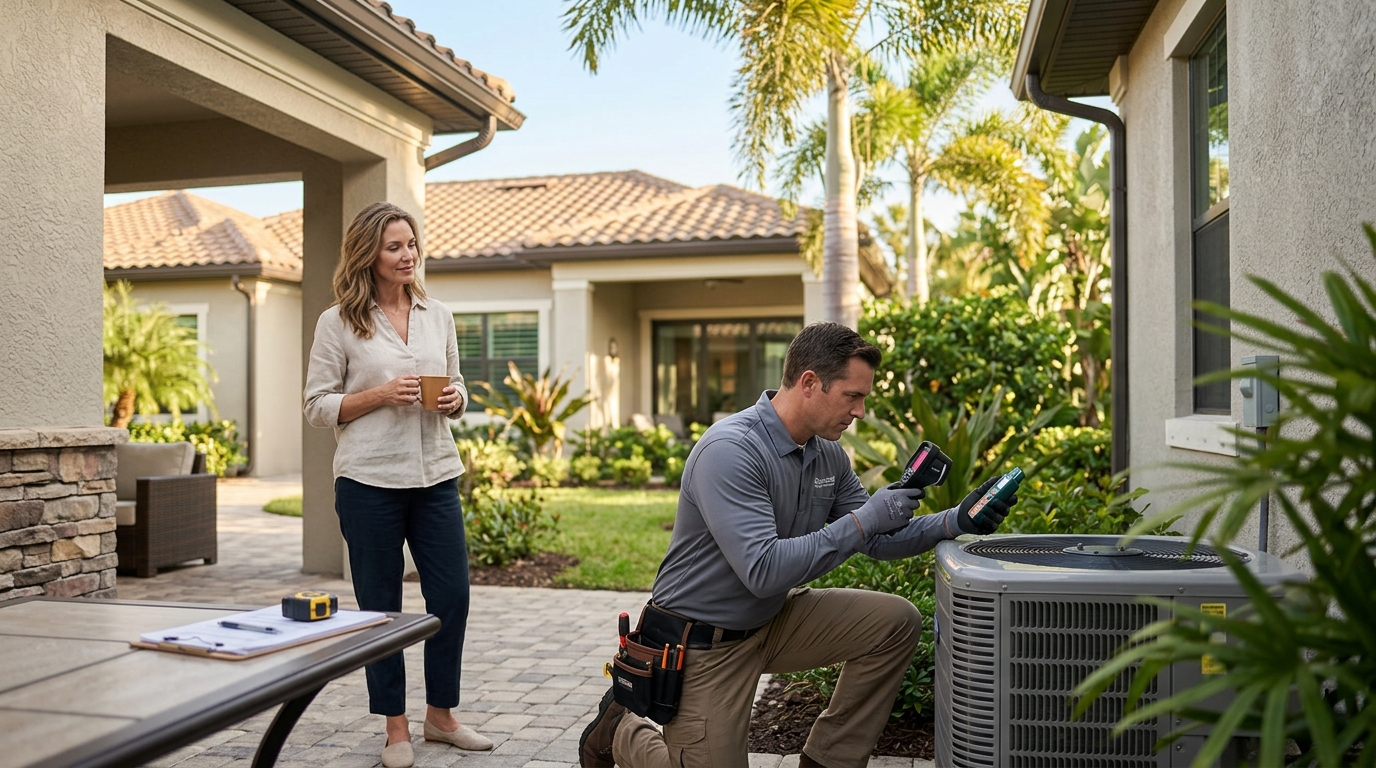
Heating, ventilation, and air conditioning systems run constantly in Florida. Inspectors will evaluate the age, condition, and efficiency of the HVAC unit. They will also check the ductwork for leaks and insulation. A well-maintained HVAC system is crucial for comfort and energy efficiency in the humid climate.
Foundation and Structure
Florida's soil composition can shift, leading to foundation issues. Inspectors look for cracks in walls, uneven floors, and gaps around doors and windows. These signs may indicate settlement or heaving. A thorough structural assessment helps buyers understand the long-term stability of the home.
The Inspection Timeline and Process
The inspection process typically begins with a contract review. The inspector will verify that the scope of work aligns with the purchase agreement. This ensures that all agreed-upon items are evaluated during the visit.
The Walkthrough
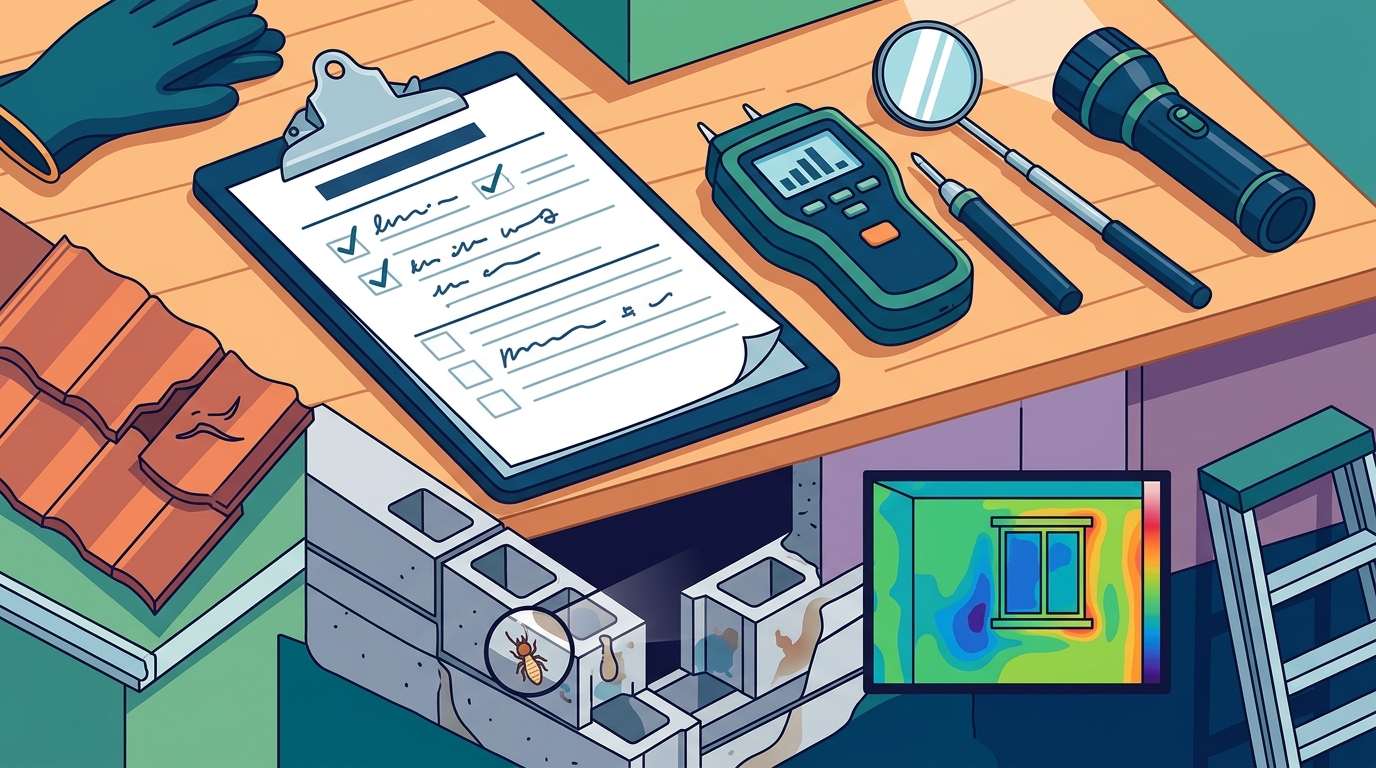
During the walkthrough, the inspector will examine every accessible part of the home. This includes the attic, basement, crawl spaces, and all interior rooms. They will use specialized tools to detect moisture, measure electrical currents, and assess structural integrity. The process usually takes between two to four hours, depending on the size and age of the property.
The Report
Within 24 hours of the inspection, you will receive a detailed digital report. This document includes photos, descriptions of findings, and recommendations for further evaluation. The report is categorized by severity, helping you prioritize which issues need immediate attention. It serves as a valuable negotiation tool and a maintenance roadmap for the future.
Post-Inspection Next Steps
After receiving the inspection report, the next steps depend on the findings. If significant issues are identified, you may choose to negotiate repairs or a price reduction. In some cases, you may decide to walk away from the deal if the problems are too severe.
Negotiation Strategies
When negotiating, it is important to focus on major structural and safety issues rather than cosmetic flaws. Sellers are more likely to address problems that affect the home's habitability. A clear, data-driven approach to negotiations can lead to a smoother closing process. Carolyn Yates is known for her ability to guide clients through these negotiations with clarity and realism.
Additional Specialists
Some inspection findings may require further evaluation by specialists. For example, a suspected roof leak might need a certified roofer to confirm. Termite damage may require a pest control expert. These additional reports provide a more accurate picture of the repair costs involved.
Key Takeaways
- Climate Impact: Florida's humidity and rainfall make moisture intrusion the primary concern during inspections.
- Attendance: Buyers should attend the final two hours to ask questions and see issues firsthand.
- Specific Risks: Polybutylene piping and foundation shifts are common issues in older Florida homes.
- Report Timing: Detailed reports are typically delivered within 24 hours of the inspection.
- Negotiation: Focus on structural and safety issues when negotiating repairs with sellers.
- Professional Guidance: Working with an agent who understands local inspection nuances can save time and money.
- Preparation: Sellers can reduce inspection surprises by following a comprehensive pre-listing guide.
Frequently Asked Questions
How long does a home inspection take in Florida?
A standard home inspection in Florida typically takes between two to four hours. The duration depends on the size, age, and condition of the property. Larger homes or those with complex systems may require more time for a thorough evaluation.
What is the cost of a home inspection in Florida?
The cost varies based on the property size and location. On average, inspections range from $300 to $500. Additional services like termite or mold testing may incur extra fees. It is important to get a detailed quote before scheduling.
Can I waive the home inspection?
While it is possible to waive the inspection, it is highly discouraged. Waiving this step removes your safety net against hidden defects. In competitive markets, buyers may feel pressured to waive inspections, but the risk of costly repairs is significant.
What happens if the inspection reveals major issues?
If major issues are found, you can negotiate repairs, request a credit, or cancel the contract. The outcome depends on the severity of the issues and the terms of your purchase agreement. An experienced agent can help you navigate these decisions effectively.
Do I need a separate pest inspection?
In many Florida transactions, a separate pest inspection is required by lenders. This focuses specifically on termites and other wood-destroying organisms. It is often recommended to schedule this concurrently with the home inspection to save time.
What is a milestone inspection?
A milestone inspection is required for condominiums and cooperatives that are 25 years old or older. It involves a detailed structural assessment to ensure the building's safety. This is a critical requirement for older properties in coastal areas.
How do I choose a home inspector?
Look for a licensed inspector with experience in Florida homes. Check their reviews, ask about their background, and ensure they carry insurance. A qualified inspector will provide a comprehensive report and be willing to answer your questions.
Work With Carolyn Yates
Navigating the home inspection process requires local expertise and strategic guidance. Carolyn Yates helps Gulf Coast sellers maximize their sale price and minimize time on market through precision pricing and expert positioning. Her background as a former appraisal firm owner provides a unique analytical edge that benefits both buyers and sellers.
Whether you are preparing to list your home or are in the process of buying, Carolyn's data-driven approach ensures a smooth transaction. She serves clients from Parrish to Punta Gorda, offering comprehensive support from listing to closing. To schedule a consultation or learn more about her services, visit the Contact page or explore her About section.